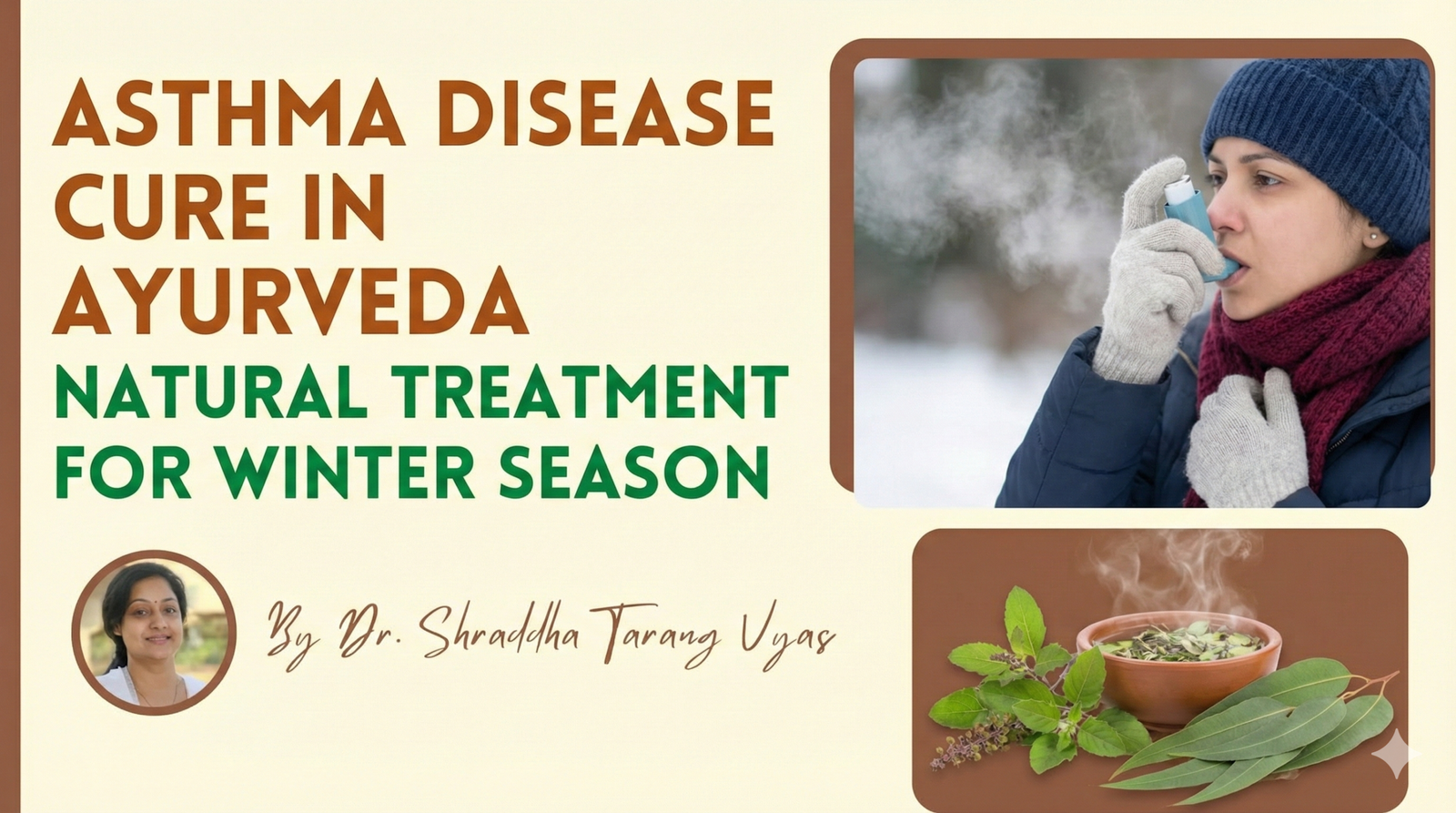
Winter brings with it a host of respiratory challenges, especially for those suffering from chronic asthma. The cold, dry air can trigger asthma attacks, making it difficult to breathe and enjoy daily activities. While modern medicine offers relief, Ayurveda—India’s ancient system of holistic healing—provides natural, long-term solutions to manage and even cure asthma.
In this blog, we’ll explore:
✓Why asthma worsens in winter?
✓Ayurvedic perspective on asthma (Tamaka Shwasa)
✓Effective Ayurvedic treatments and herbs
✓Lifestyle and dietary tips for asthma relief
✓How to strengthen your lungs naturally?
Why Does Asthma Worsen in Winter?
Cold air is a common trigger for asthma because it causes the airways to constrict and become inflamed. The dryness of winter air also irritates the respiratory tract, leading to increased mucus production and wheezing. According to Ayurveda, asthma is primarily caused by an imbalance of Vata and Kapha doshas, which govern the respiratory system.
Key Symptoms of Winter Asthma:
✓Frequent coughing, especially at night
✓Wheezing or whistling sound while breathing
✓Shortness of breath
✓Chest tightness
Ayurvedic Perspective: Understanding Tamaka Shwasa
In Ayurveda, asthma is referred to as Tamaka Shwasa, a condition caused by the aggravation of Vata (air) and Kapha (phlegm) doshas. The imbalance leads to the accumulation of toxins (ama) in the respiratory channels, obstructing the flow of air and causing breathing difficulties.
Ayurvedic Treatment Principles:
Pacify Vata and Kapha:
Use herbs and therapies that balance these doshas.
Strengthen the Lungs:
Use rejuvenating herbs and breathing exercises.
Boost Immunity:
Enhance the body’s natural defense mechanisms.
Effective Ayurvedic Treatments for Asthma
Herbal Remedies
✓
Vasaka (Adhatoda vasica): Known as “Malabar nut,” Vasaka is a powerful expectorant and bronchodilator. It helps clear mucus and ease breathing.
✓
Tulsi (Holy Basil): Tulsi is a natural anti-inflammatory and immune booster. Drinking Tulsi tea daily can reduce asthma symptoms.
✓
Licorice (Mulethi): Licorice root soothes the throat and reduces inflammation in the airways.
✓
Turmeric (Haldi): Curcumin, the active compound in turmeric, has strong anti-inflammatory properties. Mix turmeric with warm milk for relief.
✓
Pippali (Long Pepper): Pippali is used in Ayurvedic formulations to improve lung function and reduce phlegm.
Panchakarma Therapies
✓
Vamana (Therapeutic Emesis): Helps remove excess Kapha from the respiratory tract.
✓
Basti (Medicated Enema): Balances Vata dosha and strengthens the lungs.
✓
Nasya (Nasal Administration): Herbal oils are administered through the nose to clear sinus passages and improve breathing.
For a deeper detox, consider our Panchakarma therapy tailored for respiratory health.
Dietary Recommendations
✓
Avoid Cold and Heavy Foods: Cold drinks, ice cream, and fried foods aggravate Kapha.
✓
Include Warm, Light Foods: Soups, porridge, and steamed vegetables are ideal.
✓
Spices: Ginger, black pepper, and cumin help clear congestion and improve digestion.
✓
Honey: Mix honey with warm water or herbs to soothe the throat and reduce coughing.
Lifestyle Tips
✓
Pranayama (Breathing Exercises): Practice Bhastrika, Kapalabhati, and Anulom Vilom daily to strengthen the lungs.
✓
Stay Warm: Cover your nose and mouth with a scarf when stepping out in cold weather.
✓
Avoid Dust and Pollution: Keep your living space clean and use air purifiers if necessary.
✓
Regular Sleep: Ensure 7-8 hours of sleep to allow the body to heal and rejuvenate.
✓
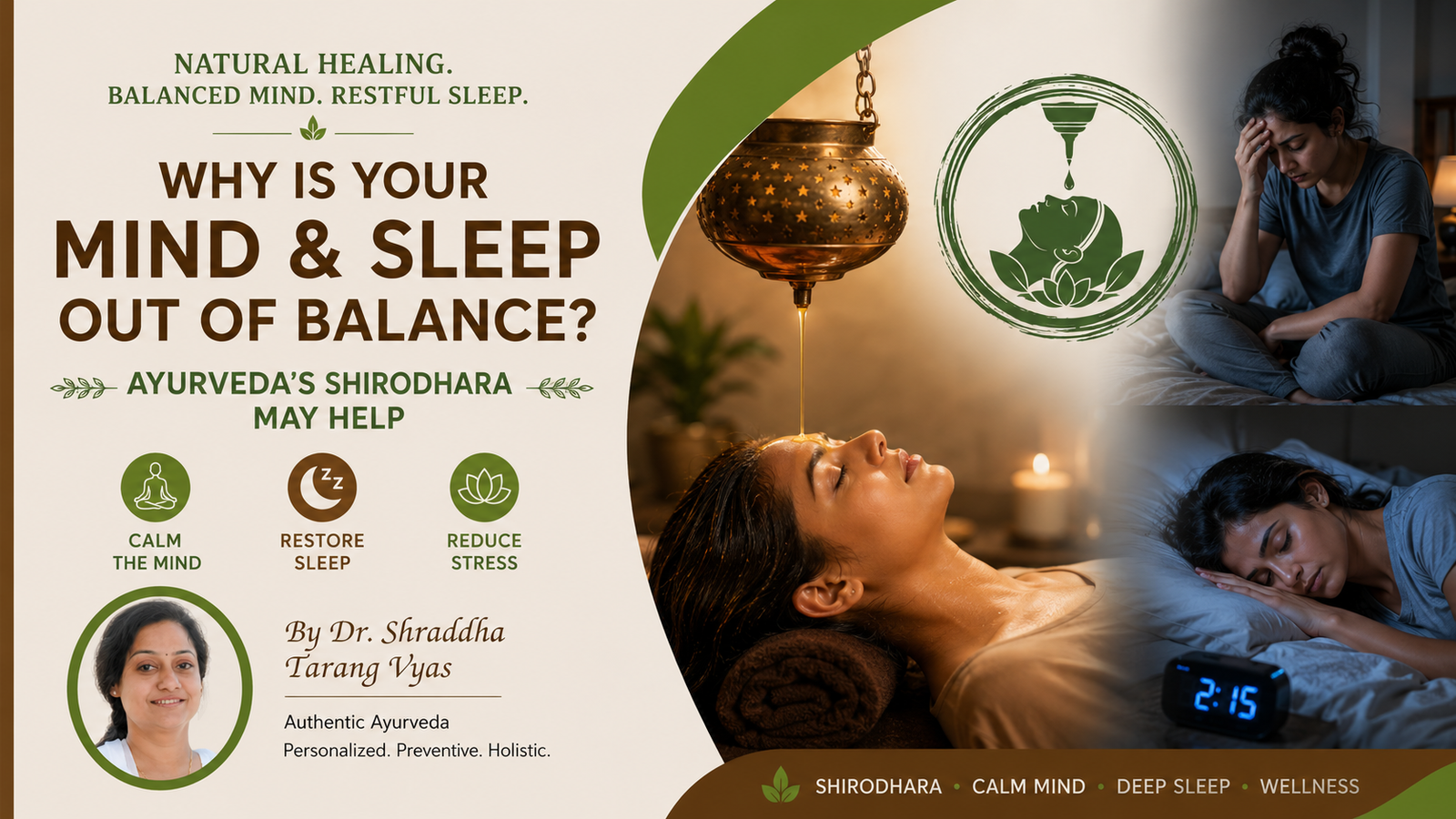
Shirodhara for Stress Relief: Stress can worsen asthma symptoms. Our
Shirodhara therapy helps calm the mind and reduce stress, supporting overall respiratory health.
Ayurvedic Home Remedies for Instant Relief
✓
Tulsi and Ginger Tea: Boil 5-6 Tulsi leaves and a small piece of ginger in water. Strain and drink twice daily.
✓
Turmeric Milk: Mix 1 teaspoon of turmeric in a glass of warm milk. Drink before bedtime for relief from nighttime asthma.
✓
Licorice and Honey: Chew a small piece of licorice root or mix licorice powder with honey for soothing effects.
Why Choose Ayurveda for Asthma?
Ayurveda offers a holistic and sustainable approach to managing asthma. Unlike conventional treatments that focus on symptom relief, Ayurveda addresses the root cause of the disease, helping patients achieve long-term relief and improved quality of life.
Benefits of Ayurvedic Treatment:
✓Reduces dependency on inhalers and steroids
✓Strengthens the respiratory system
✓Boosts immunity and overall health
✓Safe and natural, with no side effects
Conclusion
Asthma need not be a lifelong burden. With the right Ayurvedic treatments, dietary changes, and lifestyle adjustments, you can manage and even overcome asthma naturally. This winter, embrace the wisdom of Ayurveda and breathe freely!
Consult Dr. Shraddha for personalized Ayurvedic treatment plans tailored to your unique constitution and health needs.